helpline: 0300 30 200 30
helpline@porphyria.org.uk

Every Cloud

Preparing for brighter days: Managing skin porphyria in spring and summer

by Sophia Speakman, EPP patient and BPA volunteer

A quick note: EPP and all porphyrias vary dramatically in their severity and form. The reflections shared in this piece are based on Sophia’s personal journey and might not reflect the experiences of others.

As the days get longer and the weather starts to brighten up, many look forward to spending more time outdoors. However, for those living with skin porphyrias, this change in season can bring a mix of feelings, from optimism to anxiety, apprehension and uncertainty about how increased sunlight might affect pain and the ability to take part in life’s adventures in the months ahead.

For those living with skin porphyrias, spring can be a helpful time to start preparing physically and mentally for what’s to come and thinking about what works best for you as an individual, and ways to try to reduce heightened anxiety.

***

Sharing practical ways to stay protected

Members of the porphyria community have shared their top tips and we’ve highlighted some below:

  • Wearing clothes that I know I feel safe and comfortable in, sometimes that’s just good coverage, sometimes it’s more specialist fabrics or UV shades or umbrellas
  • Being more aware of my surroundings, especially water, windows or pale surfaces that can reflect light more than you expect
  • Choosing where and when I go out carefully, earlier in the day, later in the evening, or somewhere with reliable shade
  • Checking the weather more closely, not just for temperature but for brightness and conditions
  • Keeping things with me that help me deal with a reaction quickly: water, a fan, somewhere to keep out of the light.

Sun hat, sunglasses, sunscreen, protective arm coverings, and an umbrella laid out on grass.

Taking these kinds of practical steps allow you to start to develop an instinct for managing your porphyria symptoms. Getting a ‘feel’ for the light and what your body can handle on a given day. That doesn’t mean it’s predictable, but it does make it feel slightly more manageable, helping you feel a sense of control and safety.

Planning ahead together

Everyone’s experience of porphyria is different, but some people find it helpful to ease into increased light exposure gradually. Taking time to plan ahead, whether that’s thinking about how long you’ll be outside, what protection you’ll need, or getting stocked up on essentials like hats and suitable sunscreens, can make a real difference.

Sun shining through a gap in clouds against a blue sky.

Some in the EPP/XLEPP community have experimented with their own form of light therapy. They find that short, controlled periods outdoors helps build confidence about what their limits are, while reducing the risk of symptoms. This isn’t for everyone but is something I’ve found really helpful. I’m fortunate that I’ve been able to gradually build up my tolerance over time, even experimenting with trips to brighter, warmer places. For others, this may mean extending time outside by 1 or 2 minutes, which can be really valuable.

When the weather starts to improve, I try to reintroduce exposure gently, whether that’s a short lunchtime walk or even just sitting outside with a cup of tea in the morning. Doing this little and often helps me build up that initial layer of exposure in a controlled way, but just as importantly, it helps rebuild my confidence. It makes it feel safer to be outside again, and that mental shift can make a big difference when it comes to making plans with friends or family.

That said, it doesn’t always feel straightforward. There are still days where the anxiety is there, or where plans feel uncertain, and that’s a completely valid part of living with a condition like this.

Finding the right balance

Living with a skin porphyria often means finding a balance between staying safe and maintaining your quality of life. The brighter months don’t always have to mean avoiding the outdoors altogether, but they might look a little different.

Some days will feel easier than others, and sometimes things won’t go to plan. Giving yourself flexibility and being kind to yourself in those moments is just as important as any preparation. As a community, sharing experiences and supporting each other can make a real difference. Hearing what works for others can help you feel less alone and more confident in finding your own approach.

Large yellow parasol against a clear blue sky with sun shining overhead.

Get involved

JOIN OUR NEXT PEER SUPPORT SESSION
On a blue background, an illustration of a green heart sitting in the palm of an open hand

The BPA’s Peer Support Programme offers porphyria patients, as well as their family and friends, a safe and welcoming online space where you can join others with porphyria to chat about challenges and gain tips on things that have worked for other families etc. The programme aims to help people living with porphyria to understand their condition, connect with others, build the confidence to take control, and share their story.

The next peer support sessions are taking place on:
Monday 8 June, 18:00-19:00
Monday 7 September, 18:00-19:00

The sessions are free of charge and open to all ages and all types of porphyria (and their friends and families). Families affected are encouraged to attend together.
Become a BPA member

If you or someone you care for is affected by Porphyria, the British Porphyria Association is here to support you. By joining the BPA, attending events, or connecting with others through our community, you can find understanding, shared experience and trusted information.

Become a BPA member today to stay connected with the porphyria community.

Read more

Finding Community: Why Connection Matters in Porphyria

by Sophia Speakman, EPP patient and BPA volunteer

Living with Porphyria can often feel isolating. As a rare condition, it is frequently misunderstood, difficult to explain, and invisible to those around us. Many people spend years managing symptoms, navigating healthcare systems, and adapting their lives without ever meeting someone else who truly understands what they are going through.

For some, that moment of connection happens for the first time at a BPA patient event.

At the BPA Patient Day in Stratford, London, we were moved by the experiences of several first-time attendees. People who had never met another person living with Porphyria before, and who described just how powerful that experience was.

***

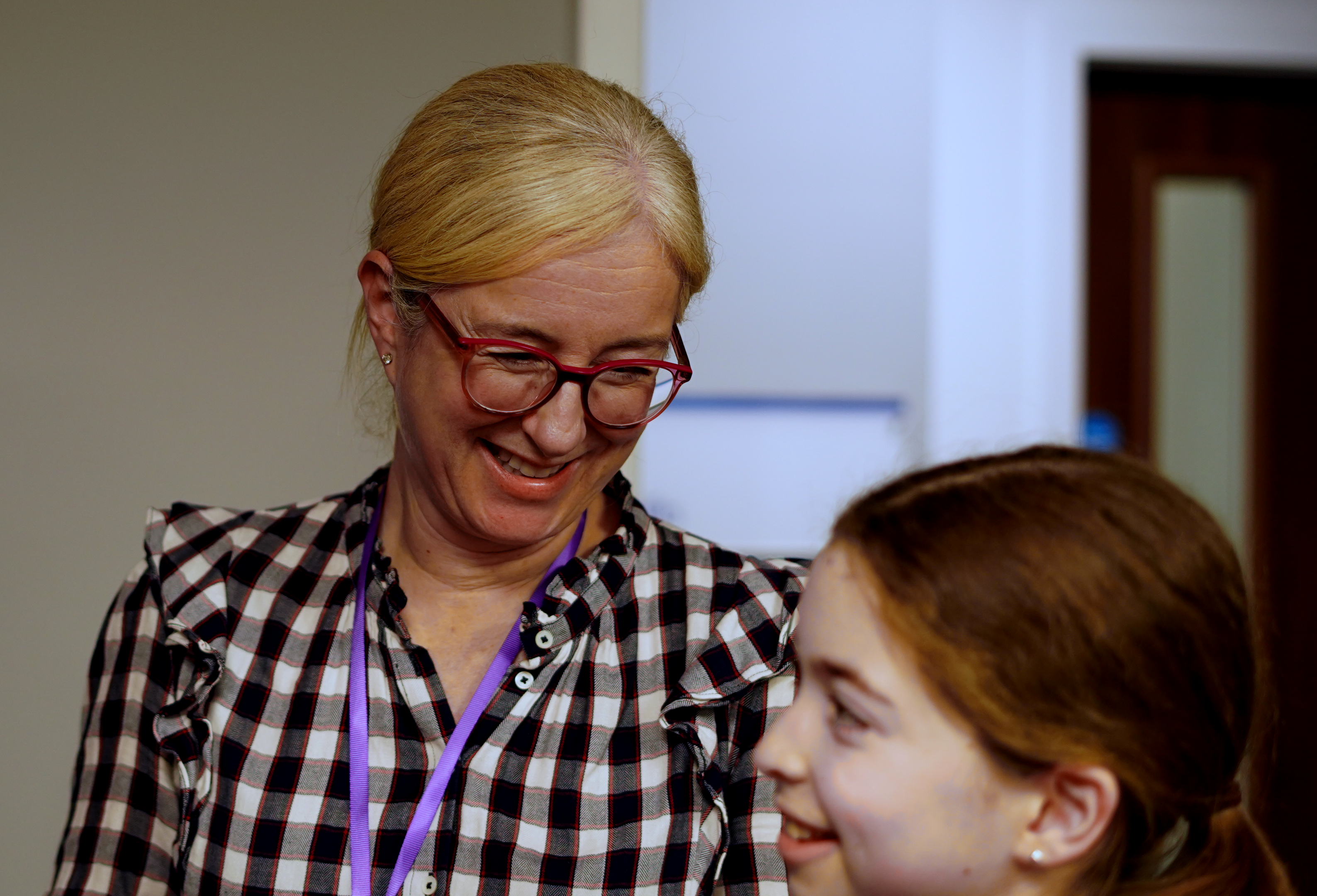
Emma attended the day with her daughter Grace, who is 11 and was diagnosed with Erythropoietic Protoporphyria (EPP) in 2024, after years of unexplained illness each summer.

“It was an emotional experience for Grace to meet fellow EPP patients for the first time. It validated her experiences and symptoms. She could share ways of coping and stories without having to explain herself. They just got it, as she would say.”

For Grace, this moment of recognition mattered deeply. Like many children with rare conditions, she had often felt alone. Meeting others who understood her reality helped change that. “She really felt like she’s not alone,” Emma told us.

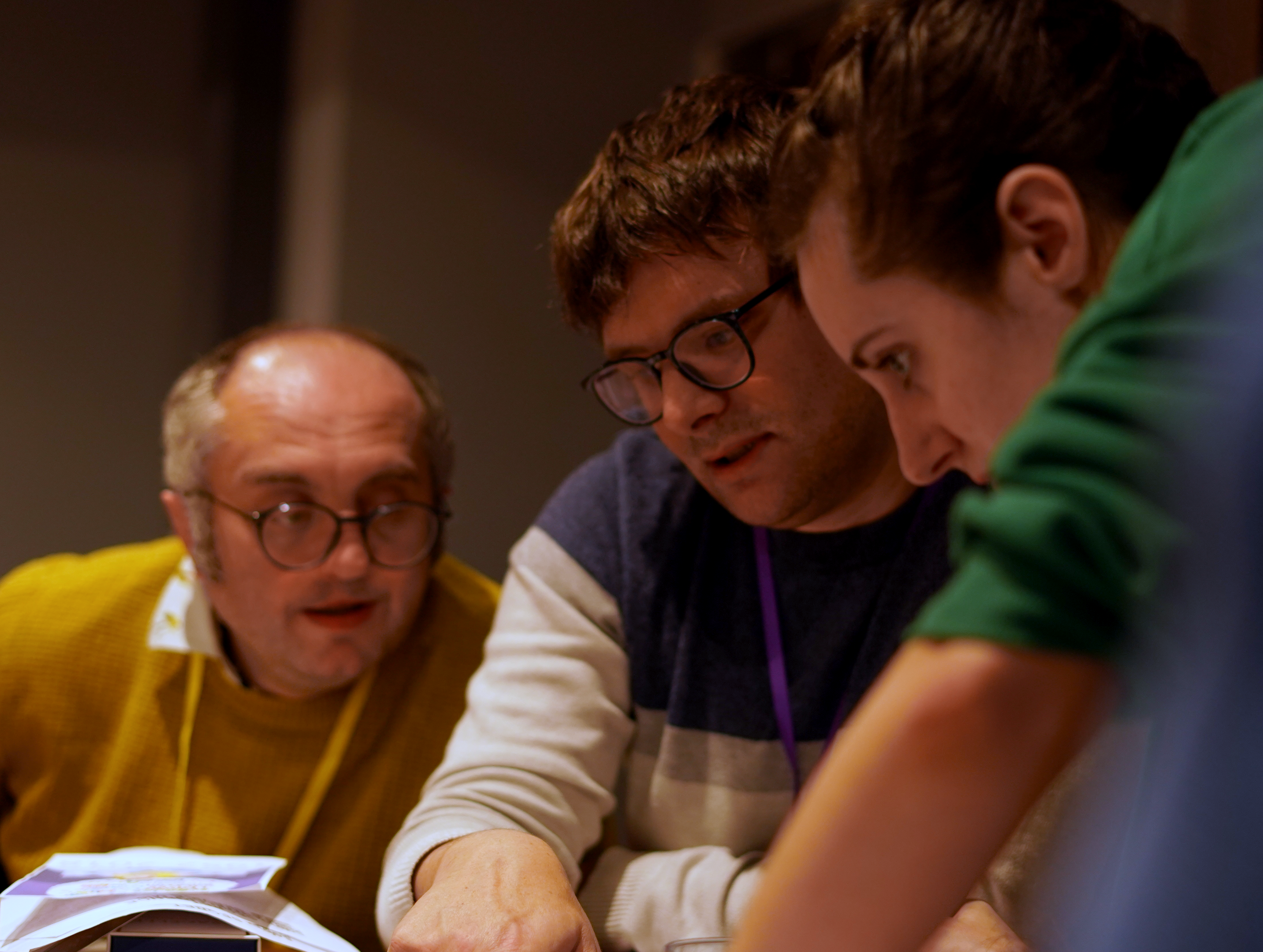
Andy, who also lives with EPP, attended the Stratford event with his husband. For them, the day was equally meaningful.

“At the event I met other people who have EPP. For me and my husband this was a very emotional time. To meet people who understood what it meant to have EPP and how it affected me was something I had dreamt about.”

Beyond the emotional impact, Andy also highlighted the practical value of connecting with others. “It was great to connect, share stories and get tips on how to manage my condition better” he added.

These moments capture something at the heart of the BPA community. Patient days are not just about information sharing, although learning from clinicians, researchers and lived experience is invaluable. They are about belonging, validation, and the relief of not having to explain or justify your experience. For many people affected by porphyria, meeting others who “get it” can be life changing. It can reduce feelings of isolation, build confidence, and remind people that they are part of a wider community that understands and supports them.

Get involved

If you or someone you care for is affected by Porphyria, the British Porphyria Association is here to support you. By joining the BPA, attending events, or connecting with others through our community, you can find understanding, shared experience and trusted information.

Become a BPA member today to stay connected with the porphyria community.

Read more

Emma’s AIP story: The rare disease dilemma and the need for Martha’s Rule


Emma Hartley was diagnosed with Acute Intermittent Porphyria (AIP) in 2024 and shared her story with us at the BPA’s Patient Day in London in November 2025. Her experience is an important reminder of how crucial advocacy is when navigating a healthcare system that does not hold enough space for rare disease.

Read her story below, and watch this space for part 2!

***

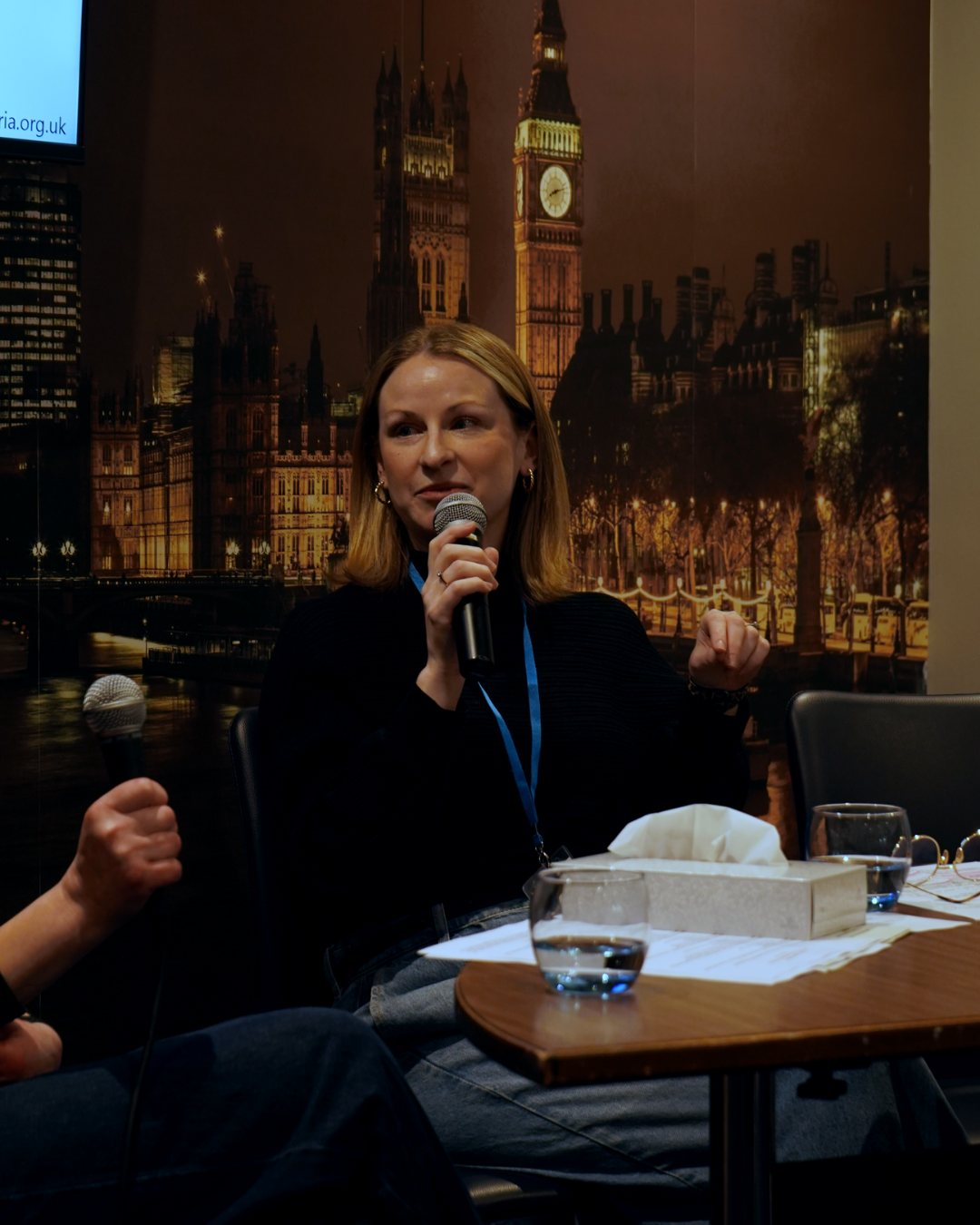
Emma speaking at BPA London Patient Day, Nov 2025. Photo by Sam Morrison

A year ago, I lay in a hospital bed with pain so excruciating it required morphine, yet the daily focus from doctors was on discharge without a diagnosis. When I reflect on that time, one question keeps coming to mind: What would have happened without the village of people that advocated and acted for me?

My diagnosis took a relatively short time compared to other patients with the same condition, but it was very nearly too long.

Acute Intermittent Porphyria (AIP)

The key themes of my experience may resonate with a wide range of rare or complex disease patients, but for context I was eventually diagnosed with Acute Intermittent Porphyria (AIP).

AIP is a rare inherited metabolic disorder that disrupts the body’s process for making heme, leading to a toxic buildup of chemicals (porphyrin precursors). While it is estimated 1 in 2000 people in Europe have the faulty gene, only a small number ever go on to be symptomatic, even fewer have multiple attacks.

Attacks are thought to be triggered by things like stress, infections, certain medications and hormone shifts. Accumulation of neurotoxins in the body leads to symptoms such as severe but vague abdominal pain, muscle weakness and psychiatric symptoms. These can progress to paralysis, seizures and in some cases, death.

The subtle start

My symptoms began subtly last summer – an intermittent backache I mistook for period pain or poor posture. In November, things ramped up to include severe nausea and abdominal pain until I couldn’t sleep, work, or participate in family life.

Even at this point, I tried to convince myself it wasn’t serious. I thought it could be an IBS flare-up, with the pharmacist and GP agreeing that the pattern of symptoms didn’t fit any other obvious condition. Eventually, pacing the house in agony and starting to vomit, I knew I had to go to A&E.

I presented badly enough (something from ‘The Walking Dead’, my husband kindly tells me) to be fast-tracked through to triage, but things stalled when I got to the surgical ward. CT and ultrasound scans searching for signs of more common causes, such as gall stones, ectopic pregnancy or appendicitis, all came back clear.

Feeling unheard

Despite clear signs of deterioration – increasing pain, confusion, hallucinations, vomiting, rising blood pressure, difficulty with my eyesight and even facial twitching – the daily focus from the doctors was on discharge without a diagnosis to explain it. My family desperately asked for a second opinion or a transfer from the surgical ward to a medical ward. We were denied.

I recall hearing one doctor say “some people just have to live with pain”.

This response was devastating and felt like a lack of medical curiosity, an unwillingness to seek advice from elsewhere, and a dismissal of symptoms amounting to medical gaslighting.

The recent push for Martha’s Rule – which recognises that those who know the patient best may be the first to notice signs of deterioration – would grant patients and their families the right to a review from a different team if they feel their concerns are being dismissed. This is a crucial step to ensuring no one has the same experience as us.

The breakthrough

What saved my life was a village of advocacy and the sheer determination of family, friends, and professionals who refused to accept “I don’t know” as the final answer.

My husband was relentless at my bedside, demanding blood tests that had been promised and not taken, and pushing for a plan that didn’t involve discharge without resolution. My parents sat by my side, bringing me ‘contraband’ hot water bottles to ease the pain and encouraging me to eat, drink and move to prevent further deterioration.

My sister, a healthcare professional, was encouraged by ward staff to leverage her own network. She posted my symptoms to a private WhatsApp group of local doctor mums and the collective brainpower was immense. Suggestions, support and curiosity came pouring in.

The first mention of porphyria came from this group based on the vague acute abdominal pain alongside a normal CT scan.

Crucially, two additional clues – my urine turning red and my sodium level plummeting – gave this theory momentum. My sister made contact with the National Acute Porphyria Service (NAPS) to seek advice but could only get so far without a hospital referral.

When my sodium dropped to a life-threatening 105mmol/L an on-call medic, initially alerted by the informal network of doctor mums, escalated my case to the Intensive Care Unit (ICU) team. A metabolic specialist, a contact of my sister’s friend, cycled over in the snow late at night to provide additional advocacy. I also recall him excitedly searching for a UV light to see if my urine ‘glowed’ (the accumulation of porphyrins causes fluorescence).

In the ICU, the medical team listened to the detailed medical history my sister was able to provide and they made contact with NAPS. I was started on treatment (haem arginate) that night and by morning I had a diagnosis of Acute Intermittent Porphyria confirmed.

As terrifying as it is to need to be on a critical care ward, for my family there was a profound sense of relief. They were being heard. I was being rigorously monitored, we had a diagnosis and I was receiving the life-saving treatment I desperately needed.

In my next article I would like to reflect on the hidden mental health toll of living with a rare disease. I hope this will resonate with and offer insight to rare disease patients, their families, and the medical community.

Read more

Idle musings on sunscreens (by Claire Jarvis)

As I sit and write it’s the first Saturday of British Summer Time and the rain is incessant and even my new puppy refuses to go out!

But as a person with EPP I know that tomorrow the sky will clear and the sun will be out in all its “glory”  and the battle will begin to try and get jobs done in the garden and normal day-to-day tasks which require venturing out into the outside world whilst all the time working out how not to get burnt by the “glorious” sunshine….

So, whilst reviewing my ever-growing collection of long-sleeved coats (with sleeves long enough to enable me to keep my hands covered), gloves (gardening and driving), solitary hat (nothing has worked quite as well as my Australian style bush hat – no corks, but does slip down over my eyes if it’s warm!!),  my thoughts turned to the progress that has been made with sun screen….and whether there is now any alternate to the ineffective (for me) factor 50+ of a few years ago…but where to start my search for info…

Before I ask Dr Google with its “guaranteed” factual accuracy, I start with the BPA Skin Safety page where I find a straight forward explanation as to why my previous “slap it all over…and repeat” factor 50 didn’t actually work – it appears that that only worked against ultraviolet light and that  “..reflectant sunscreens that are based on titanium dioxide or zinc oxide will be more effective.”

The next question is what types of reflectant sunscreen are there? And will I look like a Test Cricketer with a white nose, lips and forehead? And although I know  “it doesn’t matter what other people think of how you look”, it still takes a huge bucket load of self-confidence to go to Sainsburys looking like you have forgotten to wash off your Halloween face paint (in July…). So back to the BPA Skin Safety page…and yes there is a load of info on Dundee Cream and what I need to look for in other mineral sunscreens as well as a few alternate suggestions.

After a bit of search engine action and reading some customer reviews it appears that some products leave a white residue, others absorb fully and some are tinted to reflect skin tone. But as stated by the BPA, and highlighted in some of the reviewers who state they ended up with “a nice tan”,  even these sunscreens don’t offer full protection, and as those of us who live with EPP know, as well as us being very special people (I know this to be true as it was said once on an episode of the BBC’s Casualty….), our tolerance of how much sun exposure we can take before we scurry off to the shady side of the road or scuttle back indoors is different for each of us.

So, will I take the plunge and try a sunscreen? I’m not quite sure, but with a new puppy to walk I am going to have to consider all options. Some alternatives available are shown below – top two have been shown[1] to be at least as effective as Dundee Cream and in some colours, even more so.

  • Anthelios Mineral One (light, medium, tan, brown and dark brown), La Roche-Posay
  • Anthelios Pigment Correct, La Roche-Posay
  • Surf Mud natural zinc
  • Invisible Zinc Broad Spectrum 50 SPF
  • Neutrogena Sheer Zinc-Oxide Face dry-touch sunscreen 50 SPF

But whilst I ponder, the torrential rain has abated. So I will pull on my wellies and big coat and glory in a long dog walk in the glorious British Summer Time drizzle, where I don’t have to worry about sun protection factors and that dreaded tingle that foretells that I have been out just a little bit too long…..

[1] Ewan Eadie, Martin Josso, Rita Touti, Pascale Renoux, Robert S Dawe, Sally H Ibbotson, Commercial visible-light protecting sunscreens for photosensitive individuals, British Journal of Dermatology, Volume 188, Issue 3, March 2023, Pages 445–447, https://doi.org/10.1093/bjd/ljac112

Previous blogs

Read more

Join #TeamBPA for the Virtual London Marathon 2023

Calling all athletes!

The Virtual TCS London Marathon has been running alongside the famous in-person London Marathon since 2020, at the onset of the pandemic. It gives participants the opportunity to take on the 26.2-mile challenge from anywhere in the world, on the route of your choice, at any time from 00:00 to 23:59:59 BST on the same day as the mass event in London.

This year, the BPA has three places to give away in the Virtual TCS London Marathon on Sunday 23 April 2023. You can walk, run, or hike the 26.2 miles, with friends or on your own, from home or away, in stages or all at once – it’s your marathon, your way.

Whether you missed out on a place in the mass event, or you’ve just been looking for an opportunity to dust off your hiking boots, set yourself a challenge this Spring and join #TeamBPA to raise funds and awareness for the porphyrias and rare disease.

To secure your place, please contact sue.burrell@porphyria.org.uk by 28 March 2023.

Visit the Virtual TCS London Marathon website for more information on the event.

Read more